
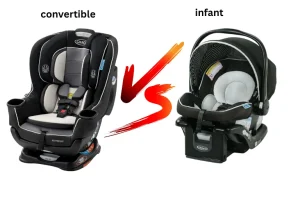
Car seats convertible vs infant is one of the biggest choices new parents face when buying baby gear. You must choose between a seat that grows with your child and a baby seat that is easy to carry and move from the car to a stroller. After testing both types in real-life situations, I found that each one has clear strengths. This guide compares them for safety, comfort, car space, daily use, stroller travel, and long-term cost so you can choose the right seat for your family.
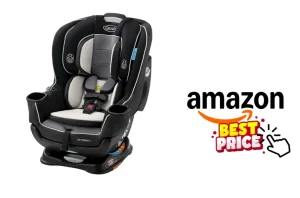
Convertible Car Seat Review
I tested convertible car seats for years, and I liked how they stay in the car and grow with your child. This style can often be used from the newborn stage through the toddler years and beyond, depending on the specific seat’s limits.
Is a Convertible Car Seat Good?
Yes, a convertible car seat can be a great choice for parents who want one seat that lasts for years. My child was able to ride rear-facing with plenty of leg room, and the heavy shell stayed firmly in place in my car. Since the seat stays installed, I never had to carry it between the car and the house.
When comparing a convertible car seat vs infant car seat, the biggest advantage of the convertible model is its long usable life.
Real-World Tests
Tight Fit: I tested the seat on both leather and cloth seats. It stayed firmly in place without slipping or sliding.
Daily Use: Getting my child buckled in was quick and easy. The buckles continued to work well even after crumbs and spills became part of everyday life.
Level Checks: The built-in level indicators made it easier to find the correct recline angle during installation.
Easy Adjustments: I could move the headrest with one hand without removing the harness straps. That made adjustments much easier as my child grew.
Durability: After six months of regular use, the seat still looked good, with minimal signs of wear.

What I Like
Rear-Facing Longer: A convertible seat can allow rear-facing use for much longer than many infant seats, depending on the model’s limits.
Easy Straps: The headrest and harness can often be adjusted together.
Strong Frame: The sturdy construction gives the seat a solid feel.
What Could Be Better
Heavy: A convertible seat is difficult to move from one vehicle to another.
Large Size: It can take up considerable space, especially in smaller cars.
No Stroller Click: You cannot simply remove the seat and attach it to a stroller for quick trips.
Convertible Car Seat Quick Look
| Trait | Detail |
| Best For | Birth through toddler and bigger-kid stages |
| Main Benefit | Long-term use |
| Top Feature | Extended rear-facing capability |
| Cost | $$ |
| Best For | Families keeping one car setup |
This type of seat is best for parents who want to buy one car seat and keep using it as their child grows.
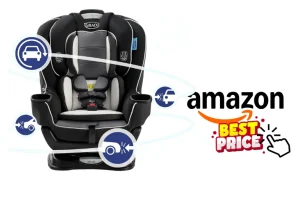
Pros and Cons
| Type | Trait | My Test |
| Pro | More Room | My child could stay rear-facing comfortably. |
| Pro | Easy Clean | The seat cover was removable for washing. |
| Pro | Cup Holders | My child could easily reach a drink. |
| Con | Hard Strap | Tightening the harness required more effort. |
| Con | Large Shape | It took up noticeable space in the vehicle. |
My Call
Buy a convertible car seat if you want one long-term setup and do not need to carry the seat in and out of the car. It can save money over time because you may not need to buy a separate infant seat first.
However, check the dimensions carefully if you drive a smaller vehicle.
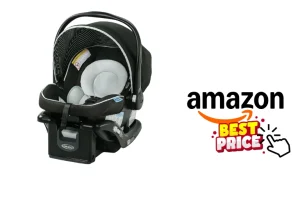
Infant Car Seat Review
An infant car seat is designed specifically for newborns and young babies. I found this type much easier for short trips, shopping, and stroller walks because I could move my sleeping baby without taking them out of the seat.
Is an Infant Car Seat Good?
Yes. An infant car seat is an excellent choice when portability is your priority. You can remove the carrier from its base and carry your baby into the house or click the seat onto a compatible stroller.
That is the biggest difference I noticed in my convertible car seat vs infant car seat testing.
Real-World Tests
Click Checks: I tested the infant seat base and found that the carrier locked into place securely when installed correctly.
Handle Feel: The handle was comfortable enough to carry for short trips.
Sun Shade: The canopy provided useful coverage from bright sunlight and wind.
Base Angle: The base indicator made it easier to check the installation angle.
Wash Tests: The removable fabric made cleaning everyday messes much easier.

What I Like
Very Light: Infant carriers are generally much easier to carry than convertible seats.
Stroller Compatibility: A compatible stroller can turn the infant seat into a convenient travel system.
Newborn Support: Infant seats are designed specifically around the needs of very small babies.
What Could Be Better
Shorter Use: Babies can outgrow infant carriers relatively quickly.
Extra Base Cost: A second vehicle may require another compatible base.
Limited Long-Term Value: You will eventually need another car seat once your baby outgrows the carrier.
Infant Car Seat Quick Look
| Trait | Detail |
| Type | Infant carrier |
| Main Benefit | Portability |
| Best For | Newborns and young babies |
| Top Feature | Stroller compatibility |
| Best Use | Frequent trips and walking |
This seat is best for parents who regularly move between the car, home, stores, and stroller.
Pros and Cons
| Type | Trait | My Test |
| Pro | Light | Much easier to carry than a convertible seat. |
| Pro | Good Grip | The handle felt comfortable in my hand. |
| Pro | Quick Removal | The carrier could be removed from the base quickly. |
| Con | Limited Use | My child eventually outgrew it. |
| Con | Warm Fabric | Some fabrics can feel warm on hot days. |

My Call
Choose an infant car seat when portability matters most. It makes the first year easier, especially for parents who walk frequently or use a stroller every day.
Skip it when your main goal is buying one seat that can last for several years.
Convertible Car Seat vs Infant Car Seat: Head-to-Head Comparison
Crash Safety
Both infant and convertible car seats are designed to meet applicable federal safety requirements when correctly installed and used according to the manufacturer’s instructions. The major difference is how they are designed for different stages of a child’s growth.
| Seat Type | Main Purpose | Shape |
| Infant Car Seat | Newborn and young baby travel | Deep and compact |
| Convertible Car Seat | Longer-term use | Larger and more adaptable |
Straps and Buckles
Infant seats are designed around smaller babies, while convertible seats are built to accommodate a wider range of sizes.
| Seat Type | Fit | Adjustment |
| Infant Car Seat | Designed for smaller babies | Adjust as baby grows |
| Convertible Car Seat | Wider growth range | More long-term adjustment |
Setup Ease
Infant car seat bases can make everyday loading and unloading faster. Convertible seats are usually intended to remain installed in the vehicle.
| Seat Type | Setup Style | Everyday Convenience |
| Infant Car Seat | Base stays in vehicle | Very convenient |
| Convertible Car Seat | Seat remains installed | Better for permanent setup |
Fit and Growth
This is one of the biggest differences in a convertible car seat vs infant car seat comparison. Convertible seats are built to accommodate children over a much longer period, while infant seats are focused on the early months.
| Seat Type | Growth Range | Long-Term Use |
| Infant Car Seat | Newborn to carrier limit | Shorter |
| Convertible Car Seat | Newborn/toddler and beyond, depending on model | Longer |

Comfort
Infant seats provide a more compact setup for newborns. Convertible seats provide more space as children grow.
| Seat Type | Typical Position | Best For |
| Infant Car Seat | Reclined infant position | Newborns |
| Convertible Car Seat | Multiple recline positions | Growing children |
Walking and Strollers
The infant car seat wins when stroller convenience matters. You can remove the carrier and attach it to a compatible stroller without taking a sleeping baby out.
| Seat Type | Stroller Use | Portability |
| Infant Car Seat | Compatible travel system | Excellent |
| Convertible Car Seat | Not used as a stroller carrier | Limited |
Car Space
Infant carriers are generally smaller and can be easier to manage in compact vehicles, while some convertible seats require more front-to-back space.
| Seat Type | Space | Small-Car Friendliness |
| Infant Car Seat | Compact carrier | Often easier |
| Convertible Car Seat | Larger installed seat | Depends on vehicle and model |
Cost Over Time
A convertible car seat can provide longer use from one purchase. An infant car seat may cost less initially but usually needs to be replaced by another seat once your baby reaches its height or weight limits.
| Seat Type | Initial Purchase | Long-Term Cost |
| Infant Car Seat | Lower or moderate | Usually requires another seat |
| Convertible Car Seat | Moderate or higher | Can last much longer |
Cleaning
Both types can get messy, but infant seats may be easier to manage during the newborn stage. Convertible seats deal with more toddler food, drinks, and everyday mess.
| Seat Type | Common Mess | Cleaning |
| Infant Car Seat | Milk and spit-up | Usually manageable |
| Convertible Car Seat | Food, crumbs, and spills | Washable covers are helpful |
Final Review Summary
Your choice really comes down to your lifestyle.
Choose an infant car seat when you want portability, easy stroller use, and a simple way to move a sleeping newborn.
Choose a convertible car seat when you want one long-term car seat that can grow with your child.
| Best Choice For | Seat Type | Why |
| Easy stroller trips | Infant Car Seat | Easy to carry and stroller compatible |
| Long-term value | Convertible Car Seat | Grows with your child |
| Small newborns | Infant Car Seat | Designed for the early stage |
| One-car setup | Convertible Car Seat | Stays installed |
The Verdict
When comparing convertible car seat vs infant car seat, neither is automatically the right choice for every family.
Choose an infant car seat when convenience and portability are your top priorities. Choose a convertible car seat when long-term use and value matter more.
Think about how often you walk, how often you move your baby between the car and stroller, how much space you have in your vehicle, and whether you want to buy one seat or transition to another later.
FAQs
Can a newborn use a convertible car seat?
Yes, many convertible car seats are designed for newborns when used within the manufacturer’s minimum size, weight, and installation requirements. Always follow the instructions for the specific model.
When does a baby outgrow an infant car seat?
A baby outgrows an infant car seat when they reach the seat’s stated height or weight limit. Check the manufacturer’s instructions rather than relying only on age.
Is a convertible car seat safer than an infant car seat?
Both types are designed to meet applicable safety standards. The most important factors are choosing an appropriate seat, installing it correctly, and following the manufacturer’s instructions.
Do I need a base for an infant car seat?
Many infant car seat systems use a base for convenient everyday installation, while some carriers can also be installed directly with a vehicle seat belt. Always follow the instructions for your specific model.
Can a convertible car seat attach to a stroller?
Generally, convertible car seats are not designed to function as detachable stroller carriers. Infant car seats are the type commonly designed for compatible travel systems.

Shahin is the owner and creator of BabyCareAdvisor, a trusted resource for practical baby care and parenting guidance. He shares helpful, easy-to-understand information about baby products, car seats, strollers, breast pumps, baby safety, and everyday parenting. His goal is to help parents make informed decisions by providing clear, practical, and research-based advice.