

Are you trying to choose between a ride safer vest vs car seat for your next trip? A traditional car seat surrounds your child with a hard plastic shell. The RideSafer vest is different. It pulls the seat belt down to fit a small frame. Both are safe and legal.
I am a parent who has tested both on long road trips. I want to share my real experiences with you. This guide will help you make the right choice today.
Let us start by looking at my hands-on testing of the wearable option.

RideSafer Vest Review
Purpose: To introduce the wearable restraint system and its key functions. Include:
The design of the vest.
Basic routing of the vehicle seat belt. Exclude: In-depth comparison with traditional seats.
I have been analyzing this lightweight vest on several family trips. It works as a wearable booster seat that redirects crash forces.
When you look at this image, notice how the vest sits snugly on the child’s chest. The vehicle seat belt slides through the red metal guides, keeping the belt away from the neck.
Let us find out if this vest is worth buying for your family.
Is RideSafer Vest Good
Purpose: To provide a quick assessment of the vest’s utility and quality. Include:
Personal experience with taxi rides.
Legality and compliance with federal standards. Exclude: Long-term durability tests.
Yes, the vest is very good for quick trips and taxi rides. When we took a trip to Las Vegas, we got in and out of cabs in seconds. It was so much easier than carrying a heavy seat.
It is safe and legal in all U.S. states. It meets all federal safety standards. The vest is made of strong materials that hold up well under stress.
Here are my findings after weeks of testing this gear on the road.
Performance & Real-World Testing of RideSafer Vest
Purpose: To evaluate how the vest performs in daily real-world conditions. Include:
Testing on bumpy roads and highways.
Daily ease of use and fit consistency. Exclude: Safety ratings of traditional seats.
We tested this vest on long highway drives and bumpy city roads. The performance was great, and it kept the belt in the right place. It is very easy to pack in a bag. The stitching is strong and did not fray after weeks of heavy use. My only issue was that my child slouched when he got tired.
Let us look at the key features that I loved about the vest.

What I Like
Purpose: To highlight the main benefits based on real-world use. Include:
Portability and space-saving design.
Ease of travel. Exclude: Disadvantages or negative experiences.
Amazing Portability: I love that it rolls up to the size of a water bottle.
Fits Three Across: It takes up zero extra seat width, so we fit three kids easily.
Saves Time: Putting the vest on my kid before the cab arrived saved us so much stress.
No product is perfect, so here are a few things that could improve.
What Could Be Better
Purpose: To point out areas where the vest could be improved. Include:
Lack of head support during sleep.
Tension in metal clips. Exclude: Positive features.
No Sleep Support: My child’s head drooped forward when he fell asleep.
Tricky Metal Guides: Threading the seat belt through the clips can be slow in the dark.
High Price: It costs a lot for a device with a limited age range.
Here is a quick summary of the vest’s specifications.
At a Glance of RideSafer
Purpose: To provide a quick spec summary of the RideSafer vest. Include:
Brand name, product, and rating.
Key features and price range. Exclude: Long paragraphs of text.
This is best for parents who travel light and use taxis.
Let’s compare the benefits and drawbacks of this vest side by side.

Pros and Cons of RideSafer
Purpose: To present a clear list of pros and cons. Include:
Weight, space, setup, and sleep limits. Exclude: Traditional car seat specs.
This quick table shows the good and bad sides of the vest based on my testing.
Here is my final advice on who should buy this vest.
Recommendation
Purpose: To guide buyers to the right choice based on their needs. Include:
Ideal user groups.
U.S. travel context. Exclude: Generic car seat advice.
You should buy this vest if you travel a lot or live in a big U.S. city. It is perfect for fast taxi trips and carpools.
If your child is very young or wiggles a lot, you should wait. They need the maturity to sit straight.
Now let us shift our focus to the classic option we all know well.
Car Seat Review
Purpose: To introduce the traditional car seat option. Include:
Traditional car seat design.
The role of the 5-point harness. Exclude: RideSafer vest details.
I have been using standard car seats for over six years. They are the go-to safety choice for everyday driving.
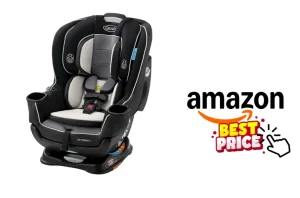
In this photo, you can see the deep side wings of the Graco Extend2Fit seat. The built-in cup holders and thick padding keep your child safe and cozy.
Let us talk about whether a classic car seat is still the best.
Is Car Seat Good
Purpose: To evaluate the value of a classic car seat. Include:
Comfort and security.
Longevity and safety. Exclude: Portability.
Yes, a classic car seat is excellent for daily driving and long road trips. My kids always sleep comfortably in them on long drives.
They offer great side protection and a secure harness. This makes them the safest choice for younger kids who cannot sit still.
Here is my report on how the traditional seat held up in real life.
Performance & Real-World Testing of Car Seats
Purpose: To detail the real-world performance of classic car seats. Include:
Daily commutes and highway safety.
Durability and cleaning. Exclude: RideSafer vest specs.
We tested the seat on daily school runs and long trips. It performed perfectly, keeping my child secure and calm. The thick padding absorbed road bumps very well. It is very heavy to move, but the LATCH hooks are easy to use. The cover was easy to wash after spills.
Here are the best things about a classic car seat.

What I Like
Purpose: To list the top benefits of a traditional seat. Include:
Side protection and comfortable sleeping position.
High view. Exclude: Disadvantages.
Super Safe Shell: The heavy plastic frame protects against side crashes.
Great Sleep Angle: My child can sleep without slouching.
High View: Being up high lets my kid see out the window easily.
Let us look at the hard parts of owning a heavy car seat.
What Could Be Better
Purpose: To outline the main downsides of traditional seats. Include:
Weight and bulk.
Hard installation. Exclude: Safety pros.
Very Heavy: Carrying a 25-pound seat through the airport is painful.
Takes Up Space: It takes up almost the whole back seat.
Hard to Install: Shifting it between cars takes a lot of time and work.
Here is a quick look at the classic seat specifications.
At a Glance of Car Seat
Purpose: To show the core features of a traditional car seat. Include:
Type, protection, weight, and features. Exclude: Long text descriptions.
This is best for daily driving and younger toddlers.
Let us look at the clear pros and cons of this standard choice.
Pros and Cons of Car Seat
Purpose: To list pros and cons of the traditional seat in a table. Include:
Safety, sleeping comfort, weight, and size. Exclude: Wearable vest pros and cons.
Here is my final advice on when to stick with a classic seat.
Recommendation
Purpose: To advise readers on when to choose a traditional car seat. Include:
Best use cases.
Safety considerations. Exclude: RideSafer travel vest specs.
You should get a standard car seat for your main family car. It is the best choice for fast highway speeds in the U.S.
If you do not travel by air much, this is the safest bet. Your child will stay happy and safe.
Let us compare how these two systems protect your child in a crash.
Safety Protection: RideSafer Travel Vest vs. Traditional Car Seat
Purpose: To establish the core safety mechanisms and real-world crash protection philosophies of both systems. Include:
Comparison of rigid shell/5-point harness containment vs. seat-belt-redirecting vest technology.
Performance in side-impact scenarios.
Discussion of head/torso excursion limits during collisions. Exclude: Installation procedures or portability features.
Both systems are crash-tested and meet strict federal safety standards. However, they use very different physical designs to absorb energy and protect your child during an impact.
Suitable for: High-speed highway commutes in heavy cars. Not suitable for: Kids who cannot sit upright or hold their head up.
A traditional seat uses a solid frame to block debris and side forces. The vest works by bringing the vehicle belt down to the child’s shoulder and hips. This keeps their center of gravity low, which is great for frontal crash safety.
Let’s look closer at how each device handles crash forces.
Impact Energy Management and Structural Integrity
Purpose: To contrast how each device handles force during an accident. Include:
Energy-absorbing foam and side-wing design in car seats.
Redistribution of load via vehicle seat belts in the vest. Exclude: General ease of use or comfort.
Managing crash energy is key to keeping a child safe. One relies on a hard shell, while the other uses the car’s built-in safety systems.
Suitable for: Directing crash loads away from delicate organs. Not suitable for: Preventing side-impact glass debris.
The car seat uses foam to absorb force before it reaches your kid. The vest routes the force to the car’s strong seat belt, letting the car seat cushion take the load.
Now let us look at how easy it is to install each option.
Installation Ease: RideSafer Travel Vest vs. Traditional Car Seat
Purpose: To address the time and complexity friction involved in setting up the device in various vehicles. Include:
Time-to-install metrics for daily use vs. taxi/rideshare scenarios.
Complexity of belt-path routing.
The role of top tethers and LATCH systems. Exclude: Physical weight or storage space.
A safe seat is only safe if you install it right. Let us look at how much work each one takes to set up.
Suitable for: Busy parents changing cars frequently. Not suitable for: Quick drop-offs if the child puts the vest on late.
Installing a car seat can make you sweat on a hot summer day. The vest is much faster because you put it on the kid first, then buckle them in.
Let us talk about how these hold up in taxis and Ubers.
Real-World Deployment in Rideshares and Travel
Purpose: To evaluate the practical challenges of switching between vehicles. Include:
Learning curve for caregivers.
Repeatability of correct installation without professional oversight. Exclude: Safety ratings.
Traveling in big cities often means using rideshares. Here is how both options work when you are on the move.
Suitable for: Fast-paced city travel and airport runs. Not suitable for: Parents who want a hands-free setup.
Using a heavy seat in a taxi can be a nightmare with cars honking. The vest lets you hop in and click the seat belt in seconds, which is a game-changer.
Let’s look at how comfortable your child will be during long rides.

Comfort: RideSafer Travel Vest vs. Traditional Car Seat
Purpose: To evaluate the child’s physical experience during short commutes and long trips. Include:
Seating position (elevated vs. vehicle-cushion level).
Impact on motion sickness and visibility.
Thermal comfort (breathability of materials). Exclude: Ease of cleaning or harness adjustment.
A cozy child means a peaceful drive. Let’s see how each option scores on real passenger comfort.
Suitable for: Hot summer climates and long highway runs. Not suitable for: Kids who need a booster to see out the window.
The vest keeps kids cool since they do not sit in a deep plastic cup. But being low means they cannot see out the side window easily, which some kids dislike.
Let us see how they support a sleeping kid on the road.
Postural Control and Sleep Support
Purpose: To analyze how the restraint impacts the child’s ability to remain upright while sleeping or active. Include:
Slouching tendencies with vest-style restraints.
Head support provided by car seat wings. Exclude: Safety protection (already covered in H2).
Kids love to sleep in cars. Here is how each option keeps them upright when they drift off.
Suitable for: Long road trips where kids sleep for hours. Not suitable for: Very active kids who slouch when tired.
The car seat is the clear winner for car naps. It holds their head up, while the vest offers no side neck support at all.
Let’s explore how secure your child is inside these devices.
Harness Quality and Retention Systems
Purpose: To compare the reliability and mechanics of securing the child within the device. Include:
5-point harness security (anti-escape, immobilization).
Seat belt integration and vest-clip security. Exclude: Material durability or fabric types.
Keeping a kid securely buckled is half the battle. Here is how each system holds them in.
Suitable for: Keeping wiggly toddlers completely in place. Not suitable for: Kids who can easily unbuckle the car’s main seat belt.
A 5-point harness completely locks the child’s torso in place. The vest relies on the car’s belt tension, which allows a bit more movement.
Let us see how well each option grows with your child.
Adjustability for Growth and Sizing
Purpose: To assess how well each system adapts as the child grows. Include:
Range of fit for weight and height tiers.
Ease of adjusting strap tightness. Exclude: Portability.
Kids grow fast, and safety gear must keep up. Here is how both systems adjust over time.
Suitable for: Long-term use over many years of growth. Not suitable for: Shared use between different-sized kids without adjusting.
Most car seats adjust with a quick pull on a handle. The vest has specific sizes, so you will need to buy a larger vest as your child grows.
Let us look at how long these products will last in real life.
Build Quality and Material Durability
Purpose: To evaluate the longevity and wear-resistance of the materials used in both systems. Include:
Frame construction (plastic shells vs. reinforced fabric/webbing).
Lifespan and expiration standards (e.g., impact of UV exposure/heat). Exclude: Aesthetics or color choices.
Safety gear must last through years of spills, heat, and cold. Let’s see how strong they are.
Suitable for: Passing down to younger siblings over many years. Not suitable for: Rough handling that might crack plastic shells.
Car seats have plastic that can break down in hot sun over ten years. The vest uses durable webbing and has no official expiration date, making it a great heirloom.
Let’s look at the financial side of buying these products.
Value and Investment Strategy
Purpose: To contextualize the cost of ownership based on utility. Include:
Cost per year of usage.
Resale value potential.
Necessity of secondary, travel-specific units. Exclude: Specific retail pricing or current sales.
Is it better to buy one heavy seat or a lightweight vest as a backup? Let’s check the costs.
Suitable for: Families looking for a long-term single car seat. Not suitable for: Parents on a very tight budget who rarely travel.
A car seat can last from birth to age ten, giving you great value. The vest is a smart second buy for grandparents or trips, saving you money on rental fees.
Let’s compare how they perform in different travel situations.
Performance Across Travel Scenarios
Purpose: To provide a high-level comparison based on specific use cases. Include:
Daily commute vs. airport transit.
“3-across” configuration constraints.
Compatibility with airplane travel (FAA approval status). Exclude: Technical installation details.
Different trips need different gear. Here is how they stack up in the air and on the road.
Suitable for: Packing three kids into a small back seat. Not suitable for: Parents who want their child buckled during a flight.
If you want a seat for the plane ride, you must bring a car seat. But if you have three kids and a small car, the vest is the only way to fit them all.
Let us see how easy these are for parents to carry and store.
Ease of Use for Caregivers
Purpose: To assess the daily friction associated with the transition from car to walking. Include:
Portability (foldability, weight, and carrying mechanisms).
Storage footprint in vehicles and airplanes. Exclude: Safety performance or harness quality.
Lugging heavy gear is no fun. Let’s see which option is easier on your back.
Suitable for: Grandparents and babysitters with weak backs. Not suitable for: Fast exits if you do not want to carry a folded vest.
The vest is incredibly light and can slide under the front seat when not in use. Carrying a heavy car seat is a real workout and can easily hurt your back.
Let us wrap up and find out which one is best for you.
Overall Verdict and Best-Use Recommendations
Purpose: To provide a synthesis for the reader to make a definitive choice. Include:
Summary of the “Best For” user profiles (e.g., frequent travelers vs. safety-focused parents).
Final decision-making hierarchy. Exclude: Repetitive technical specifications mentioned in previous sections.
Both choices have clear strengths. Here is the final guide to help you decide today.
Suitable for: Families who want to balance safety with ease of use. Not suitable for: Anyone who expects one product to solve all travel and daily needs.
Buy the vest if you travel a lot by air and use rideshares. Stick to the classic car seat for daily driving and younger children who need sleep support.
Here are my final thoughts on this travel safety debate.
Conclusion
Both the RideSafer vest and traditional car seats are great tools to keep kids safe. Choose the vest for light travel and tight spaces, and use the car seat for daily comfort and sleep.
Let us answer some common questions about these two products.
FAQs for ride safer vest vs car seat
Is the RideSafer vest legal in the US?
Yes, it is fully legal in all U.S. states. It meets all federal safety standards for motor vehicles.
Can I use the RideSafer vest on an airplane?
No, you cannot use it on a plane seat. It is not FAA approved for use during flight.
What is the minimum age for the RideSafer vest?
The vest is certified for kids age two and older. However, most safety experts recommend waiting until age four.
How long does a traditional car seat last?
Most car seats expire after six to ten years. Check the label on the back for the exact date.
Can I fit three RideSafer vests in one row?
Yes, you can easily fit three vests in one row. They take up no extra seat width at all.

Shahin is the owner and creator of BabyCareAdvisor, a trusted resource for practical baby care and parenting guidance. He shares helpful, easy-to-understand information about baby products, car seats, strollers, breast pumps, baby safety, and everyday parenting. His goal is to help parents make informed decisions by providing clear, practical, and research-based advice.