
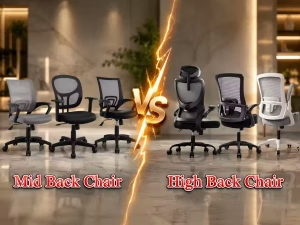
I spent long months fighting constant lower back pain at my desk. My old seat gave me no real support, so I decided to test both styles to fix my daily routine.
Choosing between a Mid Back vs High Back Chair is a common struggle when setting up a workspace. Here is my honest breakdown of how each seat feels, moves, and supports your body through long work hours.
Finding the right seat can save your daily mood and health. Let us take a close look at how the first option performs during daily tasks.
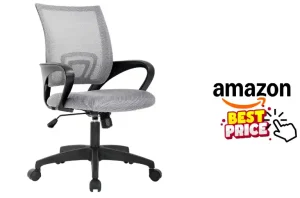
Mid Back Chair Review
I brought the Mid Back Chair into my room on a warm Tuesday morning. The light frame was easy to move and fit right next to my small computer desk.
Sitting in it felt light and easy right away. It offers great lower spine support while leaving your shoulders free to move around all day long.
Before making any quick decision, it helps to weigh the good points against the real drawbacks.
Pros and Cons of Mid Back Chair
| Type | Feature | My Experience |
| Pro | Compact size | It slid right under my low desk without hitting arms. |
| Pro | Free upper body | I could reach my side shelves easily without straining. |
| Pro | Great airflow | My back stayed cool during hot afternoon work tasks. |
| Con | No head support | My neck felt tired after five straight hours of typing. |
| Con | Shorter backrest | It does not support your full upper shoulder area. |
Living with this seat every day taught me a lot about its real strengths and limits.
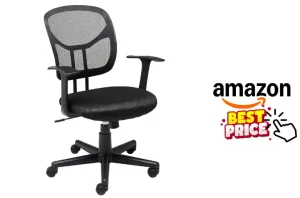
Daily Comfort and Practical Use
I used this seat for two full months while working on daily writing tasks. The lower pad gave my spine gentle support that kept me sitting up straight without feeling stiff. I loved how easily I could turn around to grab papers or talk to guests in my room. It felt light and smooth every single day.
However, long late night shifts exposed its main limit. By hour six, I really wished I had a place to rest my head while watching short videos. My shoulders had to work a bit to stay up. Even with that minor issue, it made my small workspace feel open and very easy to navigate.
| Aspect | Daily Observation | Score |
| Space Needed | Fits tiny rooms easily | 9/10 |
| Air Movement | Keeps back very cool | 9/10 |
| Upper Rest | Needs extra neck care | 6/10 |
Different daily tasks require different types of support. Here is a look at who will like this option best.
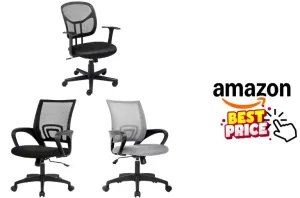
Recommendation
| User Type | Recommendation | Reason |
| Small office users | Good Fit | Compact shape saves floor space easily. |
| Active sitters | Good Fit | Lets your arms and upper back move freely. |
| Budget buyers | Good Fit | Gives great lower support at a fair price. |
| Neck pain sufferers | Not Ideal | Lacks upper headrest support for long rests. |
| Tall individuals | Not Ideal | Backrest ends well below the shoulder line. |
Now let us pivot to the larger option to see how it compares in daily comfort.
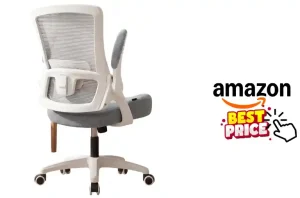
High Back Chair Review
Switching to the High Back Chair felt like stepping into a cozy shelter for my full back. The tall backrest immediately caught my attention when I rolled it up to my desk setup.
Sitting back gave my neck and upper shoulders an instant break from holding up my head. It covers your entire spine from your hips all the way up to your head.
Looking at both sides of this larger seat will help you see if it fits your daily desk needs.
Pros and Cons of High Back Chair
| Type | Feature | My Experience |
| Pro | Full headrest | My neck relaxed completely during afternoon breaks. |
| Pro | Total spine alignment | My upper and lower back felt supported all day. |
| Pro | Deep recline | I could lean back safely to read or rest. |
| Con | Heavy frame | It took extra effort to roll across thick rugs. |
| Con | Bulky footprint | It took up a lot of visual space in my small room. |
Using this tall seat over several months showed me how much full support can change long workdays.
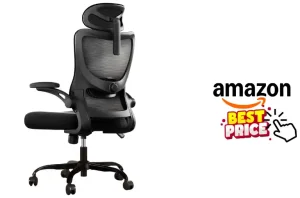
Long Hours and Ergonomic Support
After two full months with this seat, my neck tension slowly faded away. I spent long eight hour days typing without feeling the usual strain across my upper shoulders. The built-in head pad gave my head a solid place to rest whenever I paused to think or read through long documents. It truly cradled my whole body.
The only real friction came when I tried moving around my tight room quickly. The wide backrest blocked my view when turning around, and the extra weight made moving it a bit slow. But when it comes to raw sitting comfort during marathon work sessions, it delivered solid results day after day.
| Aspect | Daily Observation | Score |
| Neck Support | Total relief for long shifts | 10/10 |
| Room Footprint | Takes up considerable space | 6/10 |
| Recline Comfort | Excellent for mid-day breaks | 9/10 |
Here is a clear guide on who should pick this taller seating option for their daily setup.
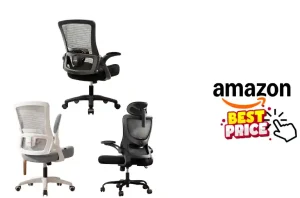
Recommendation
| User Type | Recommendation | Reason |
| Long-hour workers | Good Fit | Full support protects shoulders and neck. |
| Tall people | Good Fit | Fits long torsos with ease and full coverage. |
| Relaxed readers | Good Fit | High back allows easy reclining during breaks. |
| Tight space users | Not Ideal | Bulky frame fills up small areas quickly. |
| Hot room sitters | Not Ideal | Large backrest can trap extra body heat. |
Comparing key details side by side makes it easy to find your ideal match.
Detailed Comparison for Mid Back vs High Back Chair
Choosing between a Mid Back vs High Back Chair comes down to your body size, daily habits, and room size. Both styles offer great benefits, but they solve different problems for desk workers. Below is my hands-on comparison across five key areas based on months of real daily testing.
Let us start by looking at how each option protects your lower spine during daily work.
Lumbar Support: Mid Back vs High Back Chair
Lower back support is vital when you sit for hours at a time. The smaller seat focuses its core shape directly on your lower curve. It holds your spine in a natural pose without pushing too hard on your lower ribs. I found it kept me alert and upright during intense typing tasks.
The taller seat also provides great lower spine support, but it pairs that support with upper shoulder alignment. This spreads your body weight across a wider area, which reduces pressure on your lower hip joints. If your main goal is fixing lower back slouching, both perform well, but the taller design feels a bit more cradled.
| Feature | Mid Back Chair | High Back Chair |
| Curve Focus | Targets lower lumbar curve directly | Spreads support from hips to neck |
| Slouch Prevention | Keeps upper body active and straight | Enforces full spine posture |
| Cushion Feel | Firm and supportive on lower back | Soft and wide across back panel |
Mid Back Chair Rating: 8/10
High Back Chair Rating: 9/10
Upper body support is where these two seating designs show their biggest differences.
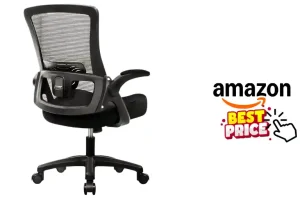
Upper Back and Neck Rest: Mid Back vs High Back Chair
If you suffer from upper back stiffness, this factor matters most. The mid option stops around your mid shoulder blades. This leaves your neck and head to support themselves, which keeps your core muscles lightly engaged as you work. It feels light, but it can cause neck fatigue by late afternoon.
The high option shines bright in this category by adding a dedicated upper back panel and headrest. Resting your head back while leaning away from your keyboard takes instant stress off your neck muscles. I noticed far fewer headaches when using the tall seat for full work days.
| Feature | Mid Back Chair | High Back Chair |
| Headrest Included | No headrest attached | Built-in or adjustable head cushion |
| Shoulder Support | Ends below upper shoulders | Full shoulder blade coverage |
| Neck Relief | Minimal upper neck support | High relief for long sitting sessions |
Mid Back Chair Rating: 6/10
High Back Chair Rating: 10/10
How easily a seat moves around your desk setup can change your daily workflow.
Space and Mobility: Mid Back vs High Back Chair
Room space is a big detail for any home office or small study nook. The mid option has a small profile that glides easily around tight corners. It rolls fast on wheels and tucks under low tables when your workday is done. I loved how open my room felt with this seat inside it.
The high option demands more space and visual attention in your room. Its tall backrest can block light and make small rooms feel crowded. Rolling it across carpet takes more effort due to its extra weight and wider base. If you move often between desks, the smaller seat wins on mobility.
| Feature | Mid Back Chair | High Back Chair |
| Footprint | Small and compact | Wide and tall |
| Movement Ease | Rolls smoothly in tight spots | Requires more room to turn |
| Storage | Slids under most desks easily | May hit desk edges when high |
Mid Back Chair Rating: 10/10
High Back Chair Rating: 7/10
Air flow and body temperature play a big role in sitting comfort through hot days.
Heat and Breathability: Mid Back vs High Back Chair
Staying cool at your desk keeps you fresh and focused. The mid option covers less of your body surface, which naturally lets air flow around your sides and shoulders. During warm afternoons, I felt far less sweat build-up against my back while sitting in this design.
The high option covers your entire back, which can trap heat if the room gets warm. Even with mesh fabrics, having that much surface area against your back warms you up faster. If you tend to get hot while working, the smaller backrest keeps air moving much better.
| Feature | Mid Back Chair | High Back Chair |
| Surface Contact | Low contact area | Full back contact area |
| Air Flow | Open sides boost ventilation | Traps more heat behind back |
| Warm Weather Comfort | Cool and light feel | Can feel warm during hot days |
Mid Back Chair Rating: 9/10
High Back Chair Rating: 7/10
Balancing cost against your daily physical needs will lead you to the smartest buy.
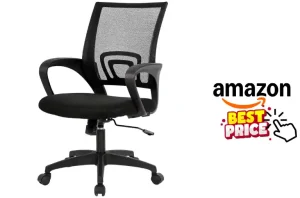
Value for Money: Mid Back vs High Back Chair
When looking at price tags, smaller seats usually cost less because they use fewer materials and simpler frames. If you need a solid seat for three to five hours of daily use, it offers fantastic value without breaking your budget. It covers all the basic ergonomic needs very well.
The taller seat costs a bit more up front, but it delivers full-body protection that pays off during eight hour shifts. Investing in full neck and back relief saves you from body aches down the road. For heavy daily use, the extra cost brings real long-term comfort gains.
| Feature | Mid Back Chair | High Back Chair |
| Upfront Cost | Budget friendly option | Moderate to higher price point |
| Long Shift Value | Great for mid-length tasks | High value for marathon work |
| Material Use | Lightweight minimal build | Heavy-duty full frame build |
Mid Back Chair Rating: 9/10
High Back Chair Rating: 8/10
Let us wrap up everything we learned from months of real sitting experience.
Conclusion
Testing a Mid Back vs High Back Chair proved that both seats have a clear purpose. If you have a small room, work shorter shifts, or like to stay active while typing, the mid back option is a nimble and budget-friendly pick. But if you sit for over six hours a day and need neck relief, the high back option is worth every extra penny. Choose the seat that matches your daily work routine and body needs best.
Here are clear answers to the most common questions people ask about these seats.
FAQs for Mid Back vs High Back Chair
Here is the first question regarding overall back health and daily posture.
Is a Mid Back vs High Back Chair better for lower back pain?
Both offer solid lower spine support. However, a Mid Back vs High Back Chair comparison shows tall seats help reduce overall spinal pressure better during long work shifts.
Here is what you should consider if your workspace has limited square footage.
Which chair style is best for small home office spaces?
A mid back seat works best in tight rooms. Its small frame slides right under desks and keeps your daily workspace looking completely open and free of clutter.
Here is how work duration impacts your choice between these two seats.
How many hours should I sit in a mid back chair?
A mid back seat is ideal for three to five hours of daily desk work. For longer eight hour shifts, a taller seat offers far better full body comfort for your spine.
Here is what taller individuals need to keep in mind for proper ergonomics.
Can tall people comfortably use a mid back option daily?
Tall people can use them, but a tall seat is usually better. It provides complete shoulder and neck support that shorter backrests simply cannot match overall.
Here is a look at how temperature control varies between both seat types.
Does a high back seat trap more heat during summer?
Yes, taller seats cover more back area and can trap body heat. Smaller seats allow more air to flow freely around your upper back and shoulders on warm days.

Shahin is the owner and creator of BabyCareAdvisor, a trusted resource for practical baby care and parenting guidance. He shares helpful, easy-to-understand information about baby products, car seats, strollers, breast pumps, baby safety, and everyday parenting. His goal is to help parents make informed decisions by providing clear, practical, and research-based advice.