
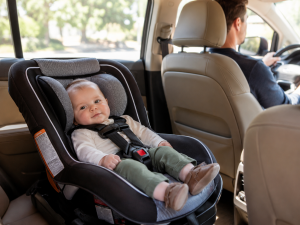
If you have a baby, you may ask how long can a baby be in a car seat. The short answer is that most experts suggest no more than about two hours at one time. This helps keep your baby safe and at ease.
I learned this on long family drives when a quick stop made a big difference. The key is to take breaks, check your baby’s position, and avoid long periods in the seat. As a parent or caregiver, it helps to know that car seats are made for safe travel, not for all-day use. Read on to learn when to stop, what signs to watch for, and how to make trips safer for your baby.
Quick Answer: How Long Can a Baby Be in a Car Seat?
Most experts say a baby should not stay in a car seat for more than two hours at one time. This is often called the two-hour rule. It helps keep your baby safe and at ease.
Some babies may need breaks sooner. This can be true for newborns. It can also be true for babies born early. Some health issues may raise the risk as well.
The safe time can change from baby to baby. Age can play a part. Health can play a part. The type of trip can matter too.
A short trip is not the same as a long road trip. Long trips need more stops. Short trips may not.
Direct Answer Breakdown for How Long Can a Baby Be in a Car Seat
Yes, a baby can ride in a car seat for daily trips. The key is to use the seat the right way. The seat must fit your baby well.
For long trips, take breaks often. Let your baby get out of the seat. This helps ease strain on the body.
Newborns need more care. Their neck muscles are still weak. Their heads can fall forward with ease.
If your baby looks hot, upset, or tired, stop when you can. Take a short break. Check that your baby looks well.
Some babies need extra care. This can be true if they were born early. It can also be true if they have lung or heart issues. Ask your doctor what is best.
Recommended Car Seat Time by Age for How Long Can a Baby Be in a Car Seat
A baby’s age can change how long they do well in a car seat.
| Baby Age | Best Plan | Main Risk |
| Newborn (0–4 Weeks) | Keep trips short | Head and air flow |
| 1–6 Months | Check often | Neck strength |
| 6–12 Months | Take breaks | Ease and blood flow |
| 12+ Months | Use trip stops | Fatigue |
Why: Small babies have weak neck muscles. Their heads are big for their size. This can make safe body position hard to keep.

Why Time Limits Exist for How Long Can a Baby Be in a Car Seat
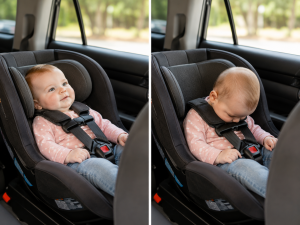
The main risk is how a baby sits. A baby’s head may fall down. This can make it hard to breathe.
Babies need to move a lot. They like to kick. They like to stretch. Long seat time can make them sore.
Blood flow can slow when a baby sits too long. The same spot may take all the weight. This can cause pain.
Think of a car seat like a bike helmet. It is made for one job. That job is safe travel.
Key Factors That Affect How Long a Baby Can Be in a Car Seat
Age is a big factor. A two-week-old baby has needs that differ from a one-year-old child.
Health can play a part too. Some babies need more care than others. Some may need more checks on long trips.
The seat also plays a role. The seat must tilt the right way. The straps must fit well.
Heat can be a factor. So can bad roads. So can long waits in slow traffic.
Risk vs Benefit Analysis for How Long Can a Baby Be in a Car Seat
A car seat helps keep a baby safe in a crash. That is its main job. It is not meant for all-day use.
| Benefits | Risks |
| Helps keep baby safe | Too much seat time |
| Helps in a crash | Body strain |
| Holds baby in place | Head tilt risk |
| Makes trips easy | Less chance to move |
Science: A car seat is made for safe rides. It is not made to be a crib or bed.

Signs a Baby Needs a Break From the Car Seat
Look at your baby’s head. If the chin rests on the chest, take a look right away.
Watch how your baby breathes. Breaths should look calm and smooth. If not, get help.
A fussy baby may need a break. Crying can be a sign that your baby is not at ease.
Heat is a sign too. Wet hair, red skin, and sweat can mean your baby needs a rest.
Safe Travel Planning for How Long Can a Baby Be in a Car Seat
Good plans help a lot. Check the seat before you leave. Make sure it fits your baby well.
Plan your stops ahead of time. This can make the trip less hard. It can help your baby stay calm.
Try to time feeds and diaper changes with rest stops. This can save time later.
Road work and traffic can slow you down. Leave room in your plan for delays.
Travel Break Schedule Guide for How Long Can a Baby Be in a Car Seat
Trips go more smoothly when you plan for breaks.
| Trip Time | Break Plan | Goal |
| Under 2 Hours | Watch baby | Stay at ease |
| 2–4 Hours | One stop | Change body position |
| 4–6 Hours | More stops | Cut seat time |
| All Day | Stop often | Rest and feed |
Why: Breaks give babies time to move. They can eat. They can stretch. They can rest.
FAQs for How Long Can a Baby Be in a Car Seat
Can a baby stay in a car seat for more than two hours?
Most experts say no. Long seat time can be hard on a baby. For long trips, stop often and let your baby move, feed, and rest.
How long can a newborn be in a car seat?
Newborns need more care. Many experts suggest short trips when possible. Stop often and check that your baby’s head stays in a safe spot.
Is it safe for a baby to sleep in a car seat?
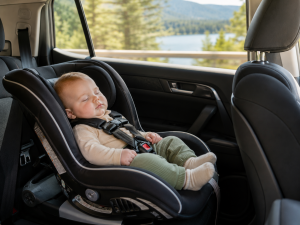
A baby can sleep in a car seat during travel. Once the trip ends, move your baby to a flat sleep space if they are still asleep.
What are the signs that a baby needs a break from a car seat?
Look for fussing, red skin, sweat, or a head that falls forward. These signs may mean your baby needs a stop and a short break.
How often should you stop on a long car trip with a baby?
Try to stop about every two hours. Let your baby get out of the seat, stretch, eat, and have a diaper change if needed.

Shahin is the owner and creator of BabyCareAdvisor, a trusted resource for practical baby care and parenting guidance. He shares helpful, easy-to-understand information about baby products, car seats, strollers, breast pumps, baby safety, and everyday parenting. His goal is to help parents make informed decisions by providing clear, practical, and research-based advice.