
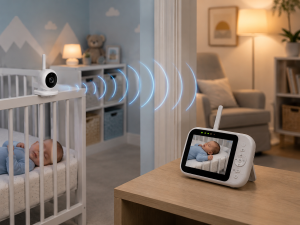
Many parents want peace of mind when their baby sleeps. A common question is: can non WiFi baby monitors be hacked? The short answer is yes, but the risk is usually much lower than with WiFi models.
I have tested both WiFi and non WiFi monitors over the years. In most homes, especially in the U.S., modern digital non WiFi monitors are quite secure when used the right way. In this guide, I’ll explain the real risks, clear up common myths, and help you choose the safest option for your family.
Direct Answer: Can Non WiFi Baby Monitors Be Hacked?
The Short Answer
Yes. Some non WiFi baby monitors can be hacked.
The short answer is yes. Yet the risk is often low. Most non WiFi monitors do not use the internet. That blocks many common attacks.
A non WiFi monitor is not fully risk free. Some models send signals through the air. A person nearby may try to pick up those signals.
Why the Answer Depends on the Monitor Type
The type of monitor matters a lot.
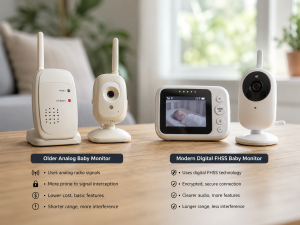
Some monitors use old analog radio signals. Some use newer digital systems. Digital systems are often much safer.
The short answer is that the signal type sets the risk level. A strong digital system is like a locked door. An old analog system is more like an open window.
Situations Where Hacking Is Possible
Yes. Hacking can happen in some cases.
Old analog monitors face the most risk. Their signals can be easier to hear with the right gear. Some weak digital systems may also have gaps.
Most of these risks need close range. A person must often be near the home. That makes these attacks less common.
Situations Where Remote Hacking Is Unlikely
Remote hacking is not likely with true non WiFi monitors.
The short answer is simple. No internet means no direct online path. A hacker far away cannot use the web to reach the device.
This is one reason many parents like non WiFi models. They cut out many online threats. That can help boost peace of mind.
Before we look at each risk level, here is a quick guide.
| Baby Monitor Type | Internet Connection | Hack Risk | Most Common Threat |
|---|---|---|---|
| Analog RF Monitor | No | Higher | Signal interception |
| Digital FHSS Monitor | No | Lower | Specialized interception attempts |
| DECT Audio Monitor | No | Very Low | Local radio attacks |
| WiFi Monitor | Yes | Higher | Remote unauthorized access |
The main point is clear. The signal system matters more than WiFi alone. A good digital monitor with no web link is often much safer than an old analog model.
FAQs for Can Non WiFi Baby Monitors Be Hacked
Can non WiFi baby monitors be hacked?
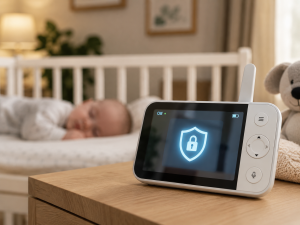
Yes, some non WiFi baby monitors can be hacked. Older analog models face the most risk. New digital models with encryption are much safer for daily use.
Are non WiFi baby monitors safer than WiFi monitors?
In many cases, yes. Non WiFi baby monitors have no internet link. This lowers the risk of remote access, though local signal issues can still occur.
Can someone listen to a non WiFi baby monitor nearby?
Yes, it is possible with some older models. Analog monitors may send open signals. Digital monitors use better security and are harder to intercept.
Which non WiFi baby monitors are the hardest to hack?
Digital monitors with FHSS or encryption offer the best protection. These systems make signals harder to track and help keep your baby’s feed private.
How can I make my non WiFi baby monitor more secure?
Choose a digital model with encryption. Keep devices updated if updates are available. Replace old analog units and test signal range around your home.

Shahin is the owner and creator of BabyCareAdvisor, a trusted resource for practical baby care and parenting guidance. He shares helpful, easy-to-understand information about baby products, car seats, strollers, breast pumps, baby safety, and everyday parenting. His goal is to help parents make informed decisions by providing clear, practical, and research-based advice.