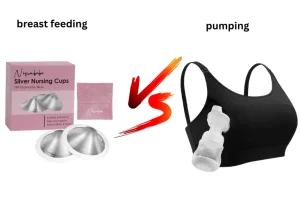
Becoming a new mom brings so many choices. The choice of breast feeding vs pumping is often the hardest one. Both paths give your baby great nutrition, but they fit into life differently.
I have lived through late-night nursing and endless pump washing. Let me share what I learned to help you find your best fit. Keep reading to see what really works.
Let us look closely at nursing your baby directly.
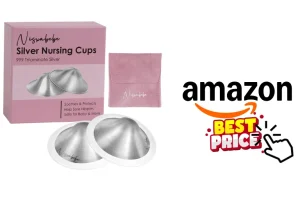
Breast Feeding Review
I’ve been analyzing how nursing shapes daily life. Wondering if direct nursing fits you?
Is Breast Feeding Good?
Yes, it is amazing for bonding and quick feeds. When my baby woke up crying at 2 AM, I just pulled him close. No bottles to warm.
It is the most natural way to feed. Nursing directly is fast, cheap, and very healthy.
Let us see how it holds up in real life.
Performance & Real-World Testing
I tested these daily tasks to see what works best.
How nights went for me.
Nighttime Feeds
I tested nursing during the darkest hours. It was so easy. I just laid in bed and fed my baby. Sleep came back fast for both of us. It beats waiting for a bottle warmer.
Leaving the house was simple.
Travel and Outings
Going out was very simple. I did not need a bag full of gear. My body made the milk right there. It gave me freedom to leave the house fast.
My body took time to adjust.
Physical Comfort
The first few weeks were hard and painful. After my baby learned to latch, it felt normal. You just need to push through the early days. A good pillow helps a lot.
Here are the best parts of nursing directly.

What I Like
No dirty dishes: I never had to wash parts in the sink at midnight.
Free and ready: The milk is always the right warmth and costs zero dollars.
Bonding time: Feeling my baby breathe on my chest was a joy I loved.
Nursing is not always perfect, though.
What Could Be Better
Mom does it all: I was the only one who could feed the baby.
Soreness: The first month brought cracked skin and tears.
Public stress: Finding a quiet place to nurse away from home was hard.
Here is a quick summary of direct nursing.
At a Glance of Direct Nursing
| Field | Notes |
| Product | Direct Nursing |
| Brand | Mother Nature |
| Category | Infant Feeding |
| Best For | Stay-at-home moms |
| Key Feature(s) | Free, warm, natural, instant |
| Variant(s) | Latch styles, nursing positions |
| Price Range | $ |
| Rating | 5/5 |
Best for moms who want free, instant feeds without washing gear.
Let us weigh the good and the bad.

Pros and Cons of Direct Nursing
Here is what I really felt about the whole process.
| Type | Feature | My Experience |
| Pro | Fast setup | I fed my baby the second he cried. |
| Pro | Always warm | No waiting for a machine to heat milk. |
| Pro | Zero cost | I saved hundreds of dollars on gear. |
| Pro | Great health | My body made custom milk for my baby. |
| Con | Sleep loss | I had to wake up for every single feed. |
| Con | Painful start | My skin hurt badly for the first week. |
| Con | Hard in public | I felt shy feeding at the park. |
| Con | Mom is tied down | I could not leave my baby for long. |
Here is my final thought on nursing.
Recommendation
I suggest direct nursing for moms who plan to stay home for a few months. In the US, short work leaves make this hard.
If you have the time, it is the cheapest and most natural path.
Now let us talk about using a machine to express milk.
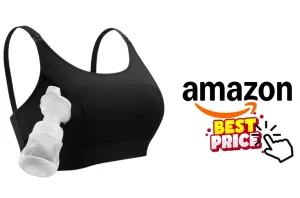
Breast Pumping Review
I’ve been using a pump to see how it changes my day. Does a machine really help?
Is Breast Pumping Good?
Yes, it is a game changer for busy parents. I loved seeing exactly how much milk my baby drank. My husband could finally take the night shift.
It takes work, but it gives moms a much-needed break. Pumping lets you share the load.
Here is how the machine worked for me.
Performance & Real-World Testing
I tracked my time and output with the machine.
The pull strength really matters.
Suction Power
I tested the highest settings on my machine. It pulled milk out fast but gently. Finding the right speed took a few tries. Once set, it worked like a charm every time.
Taking my gear to the office was stressful.
Pumping at Work
I needed a cooler and ice packs for the office. It got easier once I built a routine. Having a private room at work was key.
The daily sink time was my least favorite part.
Washing and Care
I scrubbed parts for what felt like hours. I bought extra parts to save time. A good brush makes this chore much faster.
Here are the top wins for expressing milk.

What I Like
Dad can help: My husband loved feeding our baby a bottle.
Clear tracking: I always knew if my baby ate three or four ounces.
Back to work: It let me keep my job without giving up on my goals.
Here are the downsides I faced.
What Could Be Better
Endless dishes: I hated washing the tiny valves and tubes.
Extra gear: Leaving the house meant packing a heavy bag.
Costly parts: Buying new bags and flanges added up quickly.
Let us look at the facts for expressing milk.
At a Glance of Electric Pumping
| Type (cordless/corded) | Suction power | Runtime | Weight | Filtration system | Special feature |
| Cordless | High | 2 hours | 2 pounds | Closed system | Let-down mode |
Best for working moms or those who want to share feeding duties.
Let us look at the clear pros and cons.
Pros and Cons of Electric Pumping
| Type | Feature | My Experience |
| Pro | Shared work | My husband fed the baby at night. |
| Pro | Stash building | I froze milk for days I was sick. |
| Pro | Work friendly | I kept feeding my baby after my leave ended. |
| Pro | Clear amounts | I saw exactly how much milk was in the bottle. |
| Con | Too much washing | I stood at the sink for hours each week. |
| Con | Needs power | I panicked when my battery died on a trip. |
| Con | Buying parts | I spent lots of money on bags and new valves. |
Who is this really for?

Recommendation
I recommend this for working moms in the US who need to return to their jobs fast.
If you want sleep and help from your partner, it is great. Do not buy one if you hate washing dishes.
Let us see how milk changes based on how it is delivered. Nursing gives your baby fresh milk right away. Pumping stores milk for later. Let us see how the health benefits compare between the two. Nursing changes your milk as your baby drinks. Storing milk can change some of its living cells. Both are still great choices.
Nutritional Delivery and Bioactive Adaptation of breast feeding vs pumping
| Feature | Direct Nursing | Pumping |
| Immune Boost | Adapts fast to baby germs | Stays mostly the same |
| Living Cells | Fully intact | Some lost in freezing |
| Delivery | Always warm and fresh | Needs to be heated |
Suitable for moms focused on top nutrition; not suitable for moms avoiding baby-led schedules.
Now let us look at the living cells in the milk.
Immunological Bioavailability breast feeding vs pumping
Direct nursing sends white blood cells straight to your baby. Storing milk in a fridge hurts some of these cells. Fresh milk fights bugs better. Both methods still give great nutrition overall. Stored milk just loses a tiny bit of magic.
Let us talk about making enough milk. Keeping your milk flowing is a big deal. Your body reacts differently to a baby’s mouth than to plastic. Direct nursing works on perfect supply and demand. Machines can sometimes trick your body into making too much or too little. Let us compare the two.
Supply Regulation and Hormonal Dynamics of breast feeding vs pumping
| Feature | Direct Nursing | Pumping |
| Hormone release | Very strong | Can be weaker |
| Supply match | Exact to baby needs | Hard to match exactly |
| Engorgement risk | Low | Higher if missed sessions |
Suitable for moms wanting a natural flow; not suitable for moms who need exact ounce counts.
Keeping your flow steady takes work.
Supply Sustainability and Output Consistency breast feeding vs pumping
Babies are better at pulling milk out than machines are. Relying just on a machine can lower your flow over time. Nursing keeps the hormones high and steady. I found the machine caused more sudden drops in my supply.
Time is precious for a new mom. Daily life changes a lot with a new baby. You will spend hours feeding no matter what. Nursing saves you sink time, while bottles let you share the load. I timed my days, and washing parts ate up my free time. Here is the breakdown.

Daily Convenience and Time Investment of breast feeding vs pumping
| Feature | Direct Nursing | Pumping |
| Prep time | None | 5 to 10 minutes |
| Wash time | None | 20 minutes a day |
| Night ease | Very high | Hard and tiring |
Suitable for moms wanting simple nights; not suitable for moms who want someone else to do the chores.
Sharing the work is a big topic. Being the only one who can feed the baby is hard. If you nurse, you are always on the clock. Expressed milk lets your partner step in and help. This gives you time to sleep or run errands alone. In the US, this freedom is a big deal for moms.
Caregiver Flexibility and Feeding Distribution of breast feeding vs pumping
| Feature | Direct Nursing | Pumping |
| Partner help | Zero for feeding | High for feeding |
| Mom freedom | Tied to baby | Can leave for hours |
| Sleep sharing | Mom does nights | Dad can do nights |
Suitable for families wanting to share tasks; not suitable for moms who want to do all feeds alone.
Healing after birth is so important. Your body goes through a lot. Nursing helps your womb shrink faster. Sitting tied to a wall with a machine can make your back hurt. Posture is key for both, but the machine adds extra steps. Let us look at the bodily toll.
Physical Recovery and Postpartum Ergonomics of breast feeding vs pumping
| Feature | Direct Nursing | Pumping |
| Womb healing | Very fast | Slower |
| Back strain | Medium | High |
| Nipple pain | High at start | Medium to high |
Suitable for moms wanting fast body healing; not suitable for moms with severe back pain.
Let us look at the cash you will spend. Babies cost a lot of money. Direct nursing is totally free. The gear for expressing milk adds up fast. Most US health plans give you a free machine. But you still pay for extra bags and parts later on. Let us compare the money.
Financial and Equipment Investment of breast feeding vs pumping
| Feature | Direct Nursing | Pumping |
| Initial cost | $0 | Free with US insurance |
| Ongoing cost | $0 | Bags, valves, bottles |
| Gear needed | None | A lot |
Suitable for moms on a tight budget; not suitable for moms who want to buy lots of gadgets.
You do not have to pick just one. Mixing both is often the best path. You can nurse at home and use bottles at work. This is the normal way for many working US moms. It takes planning to do both safely. Doing a combo saves time and keeps your flow steady.
Hybrid Feeding Integration and Transition Strategies of breast feeding vs pumping
| Feature | Combo Plan |
| Best time to start | 4 weeks old |
| Work ease | High |
| Supply safety | High if planned right |
Suitable for working moms; not suitable for moms who want a simple, one-way routine.
Here are my final thoughts for you.
Conclusion
Picking between breast feeding vs pumping is a deeply personal choice. Both paths give your baby the food they need to grow strong. Think about your sleep, your job, and your sanity. There is no wrong answer here. Do what feels best for you and your family today.
Still have questions? Here are quick answers.
FAQs for breast feeding vs pumping
Wondering what is best for your little one?
Which is better for the baby?
Both are great. Direct nursing gives fresh cells. Pumping gives the same base nutrition. Your baby will grow well on either one. Just pick what keeps you sane.
Are you worried about losing milk?
Will pumping drop my supply?
It can if you miss sessions. Machines are not as good as babies at pulling milk. Try to pump as often as your baby eats to stay safe.
Need to know about health plans?
Does US insurance cover the gear?
Yes, the law says most plans must pay for a machine. You can get a good model for free. Check your plan before you buy one.
Thinking about doing both?
Can I mix both methods?
Yes, a hybrid plan is very common. Nurse when you are home. Give bottles when you are at work. Just wait a month before trying bottles.
Looking to save some cash?
Which method is cheaper?
Direct nursing is totally free. You do not need to buy anything. Machines need new parts and bags all year. Pumping will cost more over time.