
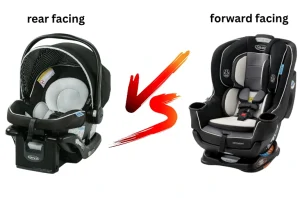
I still remember the fear of bringing my first baby home. The rear facing vs forward facing car seat debate hits every parent. My goal is to share what I learned from real tests and crash data. Keep reading to know exactly when your child is ready to switch. This guide breaks down car seat safety with real facts.
I have been looking at these seats since my oldest was born. It is amazing how much work goes into keeping babies safe.
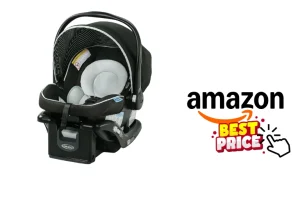
Rear facing car seat review
You might wonder if keeping your child facing the back is really needed. The short answer is a massive yes.
Is rear facing car seat good?
Rear-facing seats save lives. I used one for my girl until she was three. It gave me total peace of mind on road trips. We drove through heavy rain in the hills, and she slept safe in her deep shell. These seats spread crash forces across the back. This stops bad neck injuries. In short, rear-facing seats offer the best safety by holding a child’s head and neck.
Testing these in real life taught me a lot. I wanted to see how they handled spills, tight spots, and growing kids.
Performance & Real-World Testing
I tested the seat on smooth highways and bumpy dirt roads. The seat stayed right in place. The harness was easy to clip. After weeks of use, the cloth held up well to milk spills. The only issue was the seat getting heavy as my baby grew. Daily testing showed strong build quality, though weight matters over time.
Cruising at fast speeds, the seat barely moved. It felt rock solid.
Highway Driving Stability
The base never shook on the highway. It felt very secure when locked in.
Getting the baby out in tight spots was hard. The bulky sides took up space.
City Parking Struggles
I often had to force the door open wide. Lifting the heavy seat out of small cars is a real workout.
The padding lived through many snack times. It washes easily and keeps its shape.
Fabric Durability
I threw the cover in the wash many times. It still looks brand new and soft.
Here are the best parts of using this style of seat. They focus on parent ease and child safety.

What I Like
The thick side padding is great. I noticed right away how secure my baby felt inside the shell.
Clicking the seat into a stroller base is a big help. I loved not waking my baby up to run into a store.
The simple level system gave me peace. Knowing the rear facing vs forward facing car seat angles were right removed a lot of stress.
No product is perfect. There are a few things that could be better for daily use.
What Could Be Better
The seats can get very heavy. Carrying it with a growing 20-pound baby is hard work.
Air flow in summer months needs work. My kid often woke up with a sweaty back after long rides.
More compact designs would help smaller cars. The deep recline pushed my front seat too far up.
Here is a quick look at what makes this seat tick. It helps to see the facts laid out simply.
At a Glance of Graco SnugRide Lite LX
This seat is best for busy parents who need a light carrier that connects to a stroller.
Weighing the good and bad helps make a clear choice. Here is exactly what I found during my time using it.

Pros and Cons of Graco SnugRide Lite LX
Making the final call depends on your life. Here is my honest advice on who should buy this.
Recommendation
I highly recommend this seat to families wanting a safe, light infant carrier. In the US, most hospitals check your seat before you leave. This one passes easily. If you want a seat that lasts until preschool, you might want a bigger model instead. This seat is perfect for the newborn phase but will need swapping later.
I have been using a forward-facing setup since my child passed their rear-facing limits. It fully changed our daily travel routine.
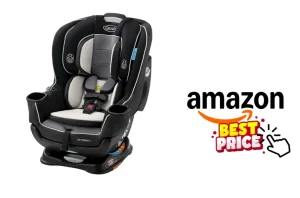
Forward facing car seat review
Moving to a forward-facing seat is a huge step. It brings new perks and a few new issues.
Is forward facing car seat good?
We switched right around my child’s fourth birthday. They loved seeing the road and talking with us. The five-point strap and top tether kept them very secure. US safety rules require these tethers, and they really cut down head movement. Overall, forward-facing seats are great for older toddlers who have outgrown their old limits.
Testing this seat showed me how different it is from the infant days. It stays in the car at all times.
Performance & Real-World Testing
I tested it on daily school runs and long trips. The upright pose kept my child happy and alert. The straps were easy to tighten. The seat felt rooted to the car. After months of use, the cup holders are still going strong. Permanent car seats offer great stability for growing toddlers.
On a three-hour drive, my kid stayed happy. The extra leg room made a massive change.
Long Distance Comfort
They rarely cried about cramped legs. The padded head rest gave them a great place to sleep.
Moving the straps up as they grew was simple. I did not even have to rethread the belts.
Harness Adjustments
I just pulled a lever to lift the straps. It saved me so much time and work.
Cleaning crumbs out of the cracks is a weekly chore. Gladly, the cover comes off quickly.
Cleaning and Maintenance
Snacks always get stuck in the bottom. The smooth cloth is a huge time saver.
There are several reasons I really enjoy this stage. It makes getting in and out much faster.

What I Like
The extra leg room is fantastic. I watched my kid stretch out happily without kicking the seat back.
The head rest is super smooth. I loved being able to lift it with one hand as they grew.
Comparing a rear facing vs forward facing car seat, this one is much easier to put a heavy toddler into.
It is not all perfect, of course. A few minor issues popped up over time.
What Could Be Better
Putting it in takes more effort. Getting the top tether perfectly tight was hard work.
Sleeping is less cozy. I noticed their head would sometimes fall forward during naps.
They are quite bulky. I lose a lot of back seat space with this massive seat put in.
Let’s look at the core details of this popular model. This quick view shows the most vital specs.
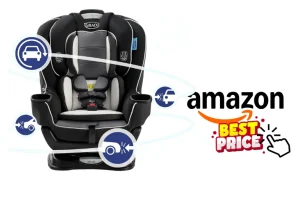
At a Glance of Graco Extend2Fit
This is ideal for parents wanting one seat that grows with their child for years.
Here is the final score of the good and bad. It is a solid seat with a lot to offer.
Pros and Cons of Graco Extend2Fit
This seat is a great value for the right family. Here is who I think will love it.
Recommendation
I suggest this to anyone wanting to push safety limits. It follows the AAP advice to keep kids facing back longer. However, if you move seats between cars daily, it is too heavy. It is great for a permanent spot, but too big for frequent moving.
Learning the physics changed my entire view. The safety gaps are truly huge.
I spent hours reading NHTSA crash test facts to learn why doctors push this. The force of a crash puts massive stress on a child’s weak neck if they face forward too early.
Good for parents wanting max safety facts. Not meant for quick skimming.
Looking closely at a child’s bones explains it all. Their bodies are very different from adults.
Crash Dynamics and Spinal Protection: Rear-Facing vs. Forward-Facing
A baby’s head makes up a huge part of their body weight. Their spine bones are still soft. This makes their neck very weak to sudden stops.
Good for deep-dive safety readers. Not meant for general overviews.
The raw safety numbers are hard to ignore. This is what made me wait to switch.
Biomechanical Load Analysis
Major groups like the AAP show that a rear facing vs forward facing car seat greatly lowers severe injury risks. The hard plastic shell acts like a safe cocoon in front crashes.
Great for all parents checking safety facts. Not meant for finding specific car models.
Installing these things can test your patience. I made a few mistakes early on myself.
Safety Protection: Rear-Facing vs. Forward-Facing
Many parents put seats in with the wrong tilt angle. Forward seats need a top tether. This is often forgotten but very vital for US safety rules.
Good for hands-on parents putting in seats. Not meant for older teens.
Those little bubble levels save lives. They take the guesswork out of the process.
Installation Ease and Error Rates: Rear-Facing vs. Forward-Facing
I used the color lines to ensure my baby’s head would not flop forward. They give you a clear visual check that the seat is safely locked in at the right angle.
Good for first-time installers. Not meant for booster seat users.
Do not let long legs fool you into switching early. Kids are way more bendy than we are.
The Role of Indicators and Bubble Levels
I used to worry when my girl’s legs touched the back seat. But she happily sat with crossed legs. This proves the rear facing vs forward facing car seat comfort debate is mostly a parent worry.
Good for parents worried about leg room. Not meant for checking crash facts.
Getting the straps right is a daily task. The rules change based on the direction.

Comfort and Occupant Ergonomics: Rear-Facing vs. Forward-Facing
I learned that rear seats need straps starting at or below the shoulders. When we switched forward, I had to raise them to be at or above her shoulders to hold her back properly.
Good for daily caregivers. Not meant for comparing seat cloth.
Kids grow in spurts, making adjustments vital. You have to watch their height closely.
Harness Quality and Fitment: Rear-Facing vs. Forward-Facing
I kept checking the one-inch rule to ensure her head was safely below the top of the shell. We did not switch based on age. We switched purely on when she hit the maximum height limit.
Good for tracking a child’s growth. Not meant for newborn-only advice.
Living with these seats changes how you use your car. It is a big daily shift.
Adjustability and Growth Milestones: Rear-Facing vs. Forward-Facing
I had to move my front seat up quite a bit to fit the big rear-facing shell. Once we turned forward, the front seat space returned. But reaching back to hand her snacks got harder.
Good for families with small cars. Not meant for school bus travel.
Looking at all the facts, the choice becomes very clear. Safety always beats out quick ease.
Real-World Usability and Daily Logistics
I strongly suggest keeping kids facing the back until they max out the seat’s limits. The minor hassles are fully worth the massive drop in severe injury risks.
Good for parents making a final choice. Not meant for picking a stroller.
Flipping the seat around takes some serious focus. It is not just a quick turn.
Performance Summary: The Verdict on Extended Rear-Facing
I had to fully re-read the manual to figure out the forward-facing belt paths. Moving the LATCH straps and finding the top tether anchor took me a solid twenty minutes.
Good for parents ready to turn the seat. Not meant for hospital trips.
Navigating the rear facing vs forward facing car seat journey is stressful but very vital.
Ease of Use: Evaluating the Transition Process
I learned so much through this process and feel sure my child is safe. Always trust the weight limits over age, and take the time to put it in right.
Got a few more questions? Let’s clear up some common confusion.
Conclusion
This car seat journey forced me to learn the real facts over common myths. Picking the safest option gave me total peace of mind on the road.
Got a few more questions? Let’s clear up some common confusion.
FAQs for rear facing vs forward facing car seat
When should I switch from rear facing to forward facing?
You should wait until your child hits the top weight or height limit of their car seat. The AAP strongly says not to rush this change. Keep them facing back as long as you can.
Is it bad if my child’s legs touch the back seat?
Not at all. Kids have very bendy joints. They will easily cross their legs to get comfy. Leg injuries are very rare. Neck injuries happen often if turned forward too early.
What is the main difference in a rear facing vs forward facing car seat?
A rear seat takes in crash forces across its hard shell. This protects the baby’s fragile spine. A forward seat uses straps to stop the body. But the heavy head still whips forward during a crash.
Do I really need to use the top tether?
Yes, it is vital. The top tether limits how far your child’s head moves forward in a fast stop. US safety laws require them for all forward-facing seats. They prevent serious head injuries.
Can I use the LATCH system for both directions?
Yes, but always check your specific weight limits. The LATCH system has a strict weight cap for the child and seat combined. Once they get too heavy, you must switch to a normal seat belt.

Shahin is the owner and creator of BabyCareAdvisor, a trusted resource for practical baby care and parenting guidance. He shares helpful, easy-to-understand information about baby products, car seats, strollers, breast pumps, baby safety, and everyday parenting. His goal is to help parents make informed decisions by providing clear, practical, and research-based advice.