
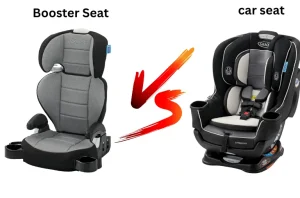
Keeping your kids safe on the road can feel hard. Choosing a booster seat vs car seat is a vital choice for every parent. I spent years testing both types in my own family vehicles to find the truth.
As a passenger safety tech writer, I know the real crash rules. Let us look at what works best for your growing child right now to give you peace of mind.
Let us first look closely at how a booster works for older children.
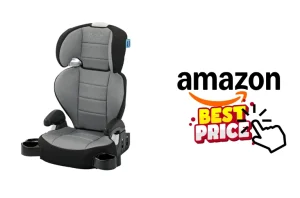
booster seat review
I’ve been analyzing how booster seats handle daily school carpools. They are built to make adult seat belts fit small bodies safely.
Many parents ask if these simple seats actually protect kids well.
Is a Booster Seat Better Than a Car Seat?
In the booster seat vs car seat comparison, a good booster seat is excellent for older kids.Yes, a good booster seat is excellent for older kids. I used one when my oldest child grew too tall for a regular harness. It performed perfectly on long highway trips across different states. Booster seats provide a great way to transition your child to adult belts.
It lifts the child up so the car belt sits right. This keeps the lap belt low on the hips and off the soft belly.
I put these seats through hard daily tests to see how they last.
Performance & Real-World Testing:
I tested the high-back booster on tight fabric vehicle seats. It held its position well during sharp turns and quick stops. The hard plastic shell resists wear after weeks of heavy use. My child could easily buckle up without my help. This setup offers highly reliable performance for busy families on the go.
There are several great benefits that I noticed during my evaluation.

What I Like
Light design: I loved how light the seat was when moving it between cars.
Belt path: The clear belt guides made it easy for my kid to secure the strap properly.
Cup holders: Dual cup holders kept drinks stable on long road trips.
No product is perfect, and I found a few small drawbacks.
What Could Be Better
Fabric slip: The lower fabric cover can slide around when kids climb in.
Side view: Thick side wings can block the child’s view out the side window.
High price: The price for premium models can feel a bit high for simple plastic.
Here is a quick breakdown of the brand specifications for easy viewing.
At a Glance of Graco
This seat is best for growing kids who can sit straight for long trips.
Let us look at the clear advantages and disadvantages of this design.
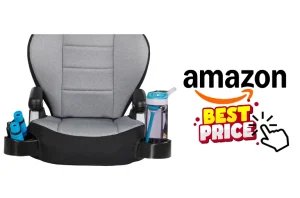
Pros and Cons of Graco
I tracked the daily ups and downs of using this seat. Here is my honest breakdown.
Choosing the right time to buy depends heavily on your specific needs.
Recommendation
I highly recommend this seat if your child is at least four years old and weighs forty pounds. It fits great in standard American SUVs and sedans. This product is ideal for families who need a fast carpool solution.
If your child still slouches or falls asleep easily, keep them in a harness longer. Do more research if your vehicle has deeply contoured sports seats.
Now let us switch gears to look at the younger child options.
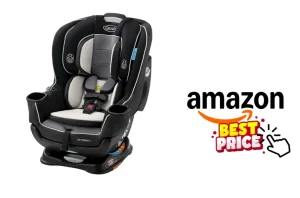
car seat review
I’ve been using convertible car seats since my youngest child was born. They provide a deep cocoon of safety for tiny infants and growing toddlers.
You might wonder if a heavy convertible option is truly worth the extra effort.
Is a Car Seat Better Than a Booster Seat?
When comparing a booster seat vs car seat, a convertible car seat is a strong option for younger children.Yes, a heavy car seat is outstanding for total crash protection. I installed one rear-facing in our family truck for a cross-country move. It kept my toddler secure and cozy through hours of driving. A solid car seat is the safest tool for young kids.
The internal five-point harness holds the child tight at the strongest bones. This prevents the child from moving forward during a sudden stop.
Let us look at how the five-point system holds up under pressure.
Performance & Real-World Testing:
I tested this seat on leather vehicle cushions using the tight LATCH setup. It did not budge a single inch during sudden highway braking tests. The heavy steel frame feels safe but makes the seat hard to move often. The fabric stayed clean after multiple milk spills. This seat delivers top-tier safety under real road conditions.
There are several reasons why this style brings immense peace of mind.

What I Like
Five-point safety: The secure harness limits body movement perfectly during sudden stops.
Deep shell: Thick side walls gave my baby excellent head protection while sleeping.
Rear-facing limits: High weight limits let my child stay rear-facing much longer for safety.
However, there are some practical limitations to keep in mind.
What Could Be Better
Heavy build: The heavy steel frame makes it very difficult to carry through airports.
Tight straps: Tightening the lower LATCH straps requires a lot of physical hand strength.
Big footprint: It takes up a lot of front-to-back space when reclined fully.
Here is the technical data for this model using our core metrics.
At a Glance of Graco
This model is ideal for infants and toddlers who need maximum security.
Let us look at the balance of benefits and drawbacks for this unit.
Pros and Cons of Graco
I tracked the performance of this heavy unit over months of use. Here is the direct list.
Here is my final guidance on who should select this protective seat option.
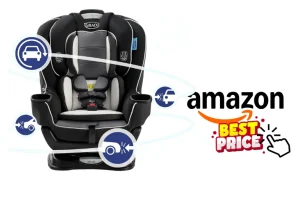
Recommendation
Buy this seat if you want to keep your young toddler rear-facing as long as possible. It is perfect for families who keep one seat installed in a main car. This choice guarantees top-tier safety for small kids.
Skip it if you travel by plane often or need to swap cars daily. Look for lighter travel options if you use ride-shares frequently.
Let us compare the two options directly so you can see the main differences clearly.
Booster Seat vs Car Seat: Quick Verdict and Main Differences
I spent hours studying how these two styles differ in real crash setups. The core choice comes down to your child’s size and bone development. Here is the quick verdict.
This comparison shows that each seat serves a unique growth phase.
Suitable for parents tracking growth milestones. Not suitable for those looking for single-age product reviews.
Understanding the inner physics of these systems will help keep your child safe.
The Core Distinction: Active Restraint vs. Belt Positioning
A five-point harness acts as an active restraint by holding the child tight during a crash. A booster seat is a passive tool that changes how the car belt sits on the body. This distinction changes how impact force moves through the seat shell.
Now let us look at how each seat handles crash safety and daily comfort features.
Core Feature Comparison: Booster Seat vs Car Seat
I tested both seat shells to see how they manage heavy impact forces and daily road bumps. Each design uses a different method to protect your child’s skeleton.
Selecting the right style depends heavily on your child’s physical build.
Suitable for families mapping out long-term safety plans. Not suitable for infants under one year old.
Let us look at how both choices shield your child from harm during a sudden impact.
Safety Protection: [booster seat vs car seat]
The booster seat vs car seat safety difference mainly comes down to how each restraint protects a child at a different stage.Car seats use deep side foam to protect small heads and soft torsos. Boosters ensure the heavy vehicle belt rests safely on the pelvis instead of the soft belly. This prevents severe internal injuries during a sudden highway crash.
Setting up these seats correctly in your vehicle is vital for real safety.
Installation Ease: [booster seat vs car seat]
When comparing a booster seat vs car seat, installation requirements are very different.Car seats require a tight LATCH setup or a locked seat belt path with top tethers. Boosters simply sit on the vehicle seat, making them much faster to set up. Correct installation is much easier to achieve with a booster model.
Long road trips require a seat that keeps your child happy and pain-free.
Comfort: [booster seat vs car seat]
The booster seat vs car seat comfort difference becomes more noticeable as children growCar seats offer deep reclines and soft padding to cradle sleeping babies safely. Boosters provide wide bases and high backs that match the natural angle of your vehicle seat. Bigger kids prefer the freedom of a booster on long highway drives.
The straps that hold your child are the most critical part of the system.
Harness Quality: [booster seat vs car seat]
A booster seat vs car seat comparison also needs to consider how the child is restrained.Car seats feature tough internal webbing with secure chest clips to prevent ejection. Boosters rely on the car’s own locking belt retractors to hold the child back during stops. The quality of the fit dictates how safe the child remains.
Children grow fast, so your seat must be able to change its size easily.
Adjustability: [booster seat vs car seat]
Car seats adjust using moving headrests that shift the internal harness slots up. Boosters expand using side wings and tall headrest guides to track shoulder height. Both styles adapt well to rapid childhood growth spurts.
Let us evaluate how these safety tools hold up over months of messy real-world use.
Performance: [booster seat vs car seat]
In my booster seat vs car seat testing, both types handled daily use well, but each had different strengths.I watched how both options handle sun exposure, spilled snacks, and tight cabin space over time. Durability matters just as much as safety when you use a seat every single day.
Both options perform well over years of continuous family travel.
Suitable for parents wanting durable gear for long ownership. Not suitable for temporary short-term rentals.
Cleaning crumbs and moving gear between cars can become a daily chore.
Real-World Usability and Daily Maintenance
Heavy car seats are hard to wash because the harness straps cannot go in a washing machine. Boosters have light, slick covers that pop off in seconds for quick cleaning. This makes boosters much easier to maintain over time.
The daily routine of getting in and out of the car should be as simple as possible.

Ease of Use: [booster seat vs car seat]
I tracked how much time it takes to buckle a child into each type of seat. The shift from parent help to child freedom changes the whole morning routine.
Boosters win the ease of use race for older children.
Suitable for families looking to speed up their morning school runs. Not suitable for infants who cannot sit up.
Moving to a booster brings a major shift in how your child hops into the car.
Caregiver Buckling vs. Child Independence
Parents must pull car seat straps tight and perform the pinch test every single time. Boosters let older kids pull the car belt across themselves for total independence. This growth step builds confidence in young passengers.
Let us look at the long-term financial picture of buying these safety products.
Value for Money: [booster seat vs car seat]
I mapped out the total cost of buying single-stage seats versus choosing all-in-one models. Balancing your budget while keeping your child safe is easy when you know the lifespans.
Boosters offer incredible value due to their low purchase cost.
Suitable for budget-conscious parents planning multi-year gear purchases. Not suitable for short-term travel needs.
Car safety gear expires, so you need to check the dates on your labels carefully.
Lifespan, Expiration, and Long-Term Investment Value
Car seats expire after six to ten years because the complex plastic parts degrade. Boosters last a long time and cost less because they have fewer moving components. Both options provide solid value if used for their full lifespans.
Do not rush to move your child to a booster before they are truly ready.
The 5-Step Maturity Transition Checklist
I use this simple five-step checklist to ensure a child is physically ready for a booster. Premature transitions drop your child’s safety margins during a crash on the highway.
Passing every step ensures your child can ride without a harness safely.
Suitable for parents wondering if their kid can ditch the harness. Not suitable for infants.
Skeletal growth and behavior are both critical parts of the transition equation.
Physical and Behavioral Readiness Milestones
A child must weigh at least forty pounds so their bones can take the belt force. They must also sit still without slouching or playing with the shoulder strap for the whole trip. Proper behavior is mandatory for booster safety.
Different cars and travel plans require different types of safety equipment.
Contextual Use Cases: Travel, Carpooling, and Vehicle Compatibility
I tested both seat types in small cars, large American SUVs, and tight airplane cabins. Your daily lifestyle dictates which seat design will fit your vehicle best without frustration.
Matching the seat to your specific trip scenario prevents travel headaches.
Suitable for frequent flyers and busy suburban carpool parents. Not suitable for non-travel static setups.
Flying with kids requires knowing the exact rules for safety gear on airplanes.
FAA Regulations and Air Travel Practicality
US flights allow five-point car seats with a certified FAA label on the shell. Boosters are banned during flight because planes do not have shoulder belts to hold them. Always check your seat labels before heading to the airport gate.
Swapping gear between different family cars can be a hassle if you pick the wrong seat.
Multi-Vehicle Switchability and Carpooling
Moving a heavy car seat requires unhooking tight LATCH straps and top tethers every time. Boosters are light and can be tossed into a friend’s trunk in three seconds flat. This makes boosters the ultimate choice for neighborhood carpools.
Let us wrap up the core choice to help you make the best decision today.
Overall Booster Seat vs Car Seat Comparison
My booster seat vs car seat comparison shows that the right choice depends on your child’s growth, maturity, and current seat limits.I learned that choosing a booster seat vs car seat is not about preference, but about growth steps. Always maximize the limits of your current seat before moving up to the next level.
Safety always comes first when choosing vehicle gear for your children.
Suitable for every parent looking for a definitive road map for passenger safety. Not suitable for adult passengers.
Finding the right fit keeps your child safe and gives you total peace of mind.
Conclusion
My journey through the world of car safety taught me that patience is key. Keep your kids in a five-point harness as long as possible, then move to a booster seat when they pass the five-step test. Safe travels on all your roads ahead!
Here are answers to the most common questions parents ask about these two options.
FAQs: Booster Seat vs Car Seat
When should I switch from a car seat to a booster?
Switch when your child hits the max height or weight limit of their forward-facing harness. This transition usually happens between ages four and six.
Can a four-year-old use a booster seat safely?
Only if they weigh over forty pounds and can sit perfectly straight for the whole ride. It is much safer to use a five-point harness for as long as possible.
Do booster seats use the vehicle LATCH system?
Some boosters use LATCH straps to keep the seat secure when empty. However, the vehicle’s own seat belt is what actually holds the child safe during a sudden crash.
Is a high-back booster safer than a backless one?
Yes, high-back models offer much better side-impact protection and guide the shoulder belt perfectly. They are ideal for younger kids who just left their car seats.
What is the five-step test for adult seat belts?
It checks if knees bend at the seat edge and if the belt crosses the center chest safely. The child’s back must also sit flat against the vehicle seat.

Shahin is the owner and creator of BabyCareAdvisor, a trusted resource for practical baby care and parenting guidance. He shares helpful, easy-to-understand information about baby products, car seats, strollers, breast pumps, baby safety, and everyday parenting. His goal is to help parents make informed decisions by providing clear, practical, and research-based advice.