
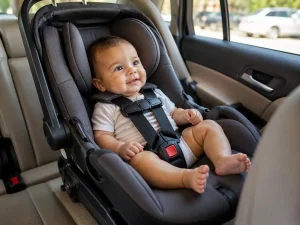
If you are wondering how to get baby to like car seat, you are not alone. The good news is that most babies learn to accept the car seat with the right fit, calm routines, and a little patience.
I have seen small changes, like adjusting the harness or timing trips after a nap, make a big difference. In this guide, I’ll share practical, safety-first tips that work for many families in the U.S. and help you make every ride a little easier.

Why Babies Resist the Car Seat: how to get baby to like car seat
Short answer: Babies usually resist the car seat because of discomfort, frustration, or developmental changes—not because they are being difficult.
I remember thinking my niece hated the car seat. Every buckle led to tears. In the end, the problem was simple: the straps were rubbing her neck, and rides often happened when she was already tired.
Common reasons include:
Harness feels too tight or twisted.
Baby is too hot or too cold.
Reflux makes reclining uncomfortable.
Baby wants to move and see more.
Previous stressful rides created a negative association.
A newborn who fusses for a few minutes may be going through a normal adjustment phase. A baby who screams every single ride may need a closer look at comfort, timing, or medical issues.
Quick Comfort Assessment Before You Begin: how to get baby to like car seat
Short answer: Check the fit before trying any training method. Small adjustments often make the biggest difference.
Take two minutes and go through this checklist:
Comfort Check
Check
Why it matters
Fix if needed
Harness fit
Prevents discomfort and improves safety
Adjust strap height and tightness
Recline angle
Supports breathing and comfort
Follow manufacturer guidelines
Clothing
Prevents overheating and bunching
Use lightweight layers
Seat positioning
Reduces awkward posture
Reinstall if necessary
Why: I have seen parents buy new toys and mirrors when the real fix was a twisted strap. Start with comfort first.
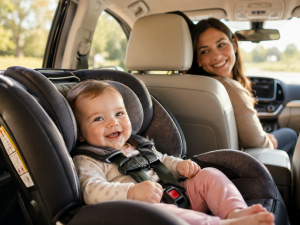
What You’ll Need Before Starting: how to get baby to like car seat
Short answer: You do not need many products. Consistency matters more than gadgets.
Helpful items:
A properly installed car seat.
A familiar toy.
A pacifier, if your baby already uses one.
A light blanket for comfort outside the harness area when appropriate.
If you do not have special travel toys, your voice is often enough. Babies know the sound of their caregiver, and that can be very calming.
Step-by-Step Process: how to get baby to like car seat
Step 1: Verify the fit
Short answer: Make sure the harness is snug, the straps are flat, and the recline is correct.
This is the foundation. If the seat feels wrong, every other step becomes harder.
Step 2: Build a positive association
Short answer: Let your baby spend a few calm minutes in the seat outside the car.
Put the seat on the floor. Sit nearby. Sing, talk, or read a book. The goal is to show that the seat does not always mean a stressful trip.
Step 3: Practice short sessions
Short answer: Start with two to five minutes.
Many parents jump straight to a 30-minute drive. That often backfires. Tiny successes build confidence for both you and your baby.
Step 4: Time rides carefully
Short answer: Leave when your baby is fed and calm.
The easiest rides usually happen after a feeding and before your baby becomes overtired.
Step 5: Increase gradually
Short answer: Add a few minutes at a time.
Think of it like learning to swim. You do not start in the deep end.
Age-Based Strategies That Work Better: how to get baby to like car seat
Short answer: The best strategy changes as your baby grows.
What Helps by Age
Baby age
Primary challenge
Best strategy
0–3 months
Adjustment period
Comfort and soothing
4–6 months
Wants interaction
Toys and conversation
6–12 months
Boredom
Entertainment and routine
12+ months
Independence
Predictable travel habits
Science: Babies change quickly. A three-month-old and a one-year-old often dislike the seat for completely different reasons.
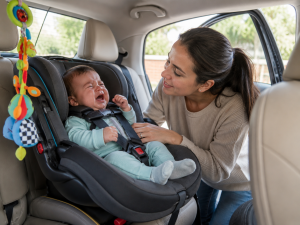
Common Mistakes That Make Car Seat Resistance Worse: how to get baby to like car seat
Short answer: Long trips and inconsistent routines are the biggest traps.
Avoid:
Starting with a long drive.
Only using the seat during stressful errands.
Changing toys, music, and routines every day.
Using unapproved inserts or padding.
Loosening the harness to stop crying.
I once watched a friend try three new toys in one week. Her baby became more upset, not less. When she switched to one simple routine, things improved.
How to Know Your Baby Is Adjusting Successfully: how to get baby to like car seat
Short answer: Look for small wins, not perfection.
Good signs include:
Less crying when buckled in.
Longer calm periods during rides.
Falling asleep more easily.
Recovering quickly after a short fuss.
Many babies improve gradually over one to four weeks.
Troubleshooting Persistent Car Seat Crying: how to get baby to like car seat
Short answer: Match the crying pattern to the likely cause.
If Crying Continues
Problem
Possible cause
Immediate action
Cries immediately
Harness or positioning
Recheck fit
Cries after movement
Motion sensitivity
Try shorter rides
Cries only at certain times
Hunger or fatigue
Adjust the schedule
Never settles
Possible medical discomfort
Call the pediatrician
Why: The pattern often tells you more than the crying itself.
Car Seat Safety Considerations While Building Comfort: how to get baby to like car seat
Short answer: Comfort should never reduce safety.
Always:
Keep the harness snug.
Use only manufacturer-approved parts.
Stop the car before taking your baby out.
Avoid bulky coats under the harness.
Time, Effort, and Realistic Expectations: how to get baby to like car seat
Short answer: Most babies need practice, not a miracle fix.
Some babies improve in days. Others need several weeks. That is normal.
The parents I know who had the most success were not the ones who bought the most products. They were the ones who stayed calm and consistent.
Maintaining Good Car Seat Habits After Progress: how to get baby to like car seat
Short answer: Keep the routine that worked.
Use the same song, the same calm voice, and the same order of steps when possible. Predictability helps babies feel secure.
Real-World Situations Where These Methods Work Best: how to get baby to like car seat
Short answer: The same approach works for daily errands and longer trips.
Parents often tell me the hardest rides are daycare drop-offs, grocery runs, and unexpected errands. A short practice routine at home can make those trips much easier.
Practical Insights Parents Often Discover Too Late: how to get baby to like car seat
Short answer: Consistency usually matters more than buying new accessories.
The biggest surprise for many families is that expensive gadgets rarely solve the core problem. A well-fitted seat, good timing, and calm repetition often work better.
If your baby suddenly starts hating the car seat after previously doing well, check for growth-related fit changes before assuming the seat itself is the problem.
And if you are having a rough week with car rides, you are not alone. Many babies fight the seat for a while. With patience and the right adjustments, most families see steady improvement.
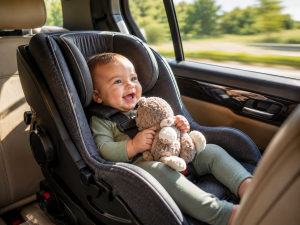
FAQs for how to get baby to like car seat
What is the best way to get a baby to like a car seat?
Start with a proper fit and short practice sessions. Add calm routines, songs, or toys. Most babies adjust over time with patience and steady practice.
Why does my baby cry every time they are in the car seat?
Your baby may feel hot, hungry, tired, or uncomfortable. Check the harness, recline, and clothing first. If crying never stops, talk to your pediatrician.
How long does it take for a baby to get used to a car seat?
Many babies improve within one to four weeks. Daily practice and short rides help build comfort and make the car seat feel more familiar.
Can I use toys to help my baby like the car seat?
Yes. A small, age-safe toy or a favorite song can help. Keep the toy simple and avoid anything that could affect car seat safety.
What should I avoid when trying to get my baby to like a car seat?
Do not loosen the harness or use unapproved seat inserts. Avoid long rides at first. Build comfort with short trips and a calm, steady routine.
Readmore

Shahin is the owner and creator of BabyCareAdvisor, a trusted resource for practical baby care and parenting guidance. He shares helpful, easy-to-understand information about baby products, car seats, strollers, breast pumps, baby safety, and everyday parenting. His goal is to help parents make informed decisions by providing clear, practical, and research-based advice.