
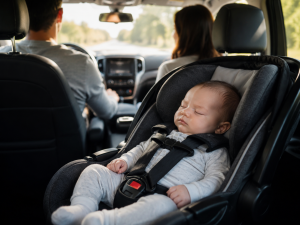
If you’ve ever driven home with a sleeping baby, you have probably wondered how long can baby sleep in car seat before it becomes unsafe. The short answer is that most healthy babies should not stay in a car seat for more than 2 hours at a time, and younger or premature babies may need even shorter periods.
I have seen how tempting it is to let a peaceful nap continue, especially after a long drive. Still, safe sleep always comes first. In this guide, I’ll share practical tips, expert-backed safety advice, and real-life travel habits that help many parents across the U.S. keep their babies both comfortable and safe.
H2: Quick Answer: How Long Can Baby Sleep in Car Seat
Short answer: Most healthy babies should not stay in a car seat for more than 2 hours at a time. Newborns, premature babies, and infants with certain medical conditions may need shorter periods. A car seat is designed for safe travel, not for routine naps or overnight sleep.
If your baby falls asleep during a drive, you do not need to wake them right away. The safest approach is to keep driving until you reach your destination. Then, move your baby to a firm, flat sleep surface as soon as it is practical. This simple habit helps lower the risk of breathing problems that can happen when babies remain in a semi-upright position for too long.
Many parents worry about waking a sleeping baby. I understand that feeling because no one wants to disturb a peaceful nap. Still, safe sleep always comes first. Even a deep nap in a car seat should not replace sleep in a crib, bassinet, or play yard.
H2: At a Glance: Recommended Car Seat Sleep Duration
There is no single time limit that fits every baby. Age, health, and the reason for travel all matter. The table below gives a simple overview that most parents can use as a starting point.
| Baby’s Age/Condition | Recommended Continuous Time | Notes |
|---|---|---|
| Healthy newborn | Up to 2 hours (often less if advised by a doctor) | Monitor closely and take regular breaks. |
| Premature baby | Follow pediatrician’s advice, often less than 2 hours | Higher risk of airway and breathing issues. |
| Infant (1–6 months) | Up to 2 hours | Take breaks during long trips. |
| Older baby | Around 2 hours | Continue using travel breaks. |
| Long road trips | Stop every 2 hours | Remove baby from the seat to stretch, feed, and change if needed. |
Why it matters: Babies have small airways and weak neck muscles. Staying in the same semi-upright position for too long may affect breathing, especially in young infants. Regular breaks allow babies to lie flat and move naturally.
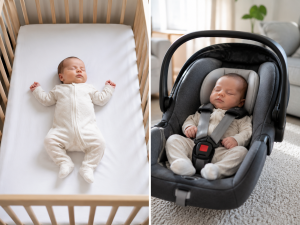
H2: Why Babies Shouldn’t Sleep Too Long in a Car Seat: How Long Can Baby Sleep in Car Seat
The biggest reason is simple. Babies breathe best when their airway stays open. A car seat protects them during travel, but it is not made to support long periods of sleep outside the car.
Young babies cannot always control the weight of their heads. As they sleep, their chin may drop toward their chest. This position can partly block the airway and make breathing harder. The younger the baby, the greater the concern.
The risk is different while the vehicle is moving compared with when it is parked. During travel, the car seat is installed at the correct angle and secured for safety. Once you arrive, keeping your baby asleep in the car seat indoors removes the purpose of the seat while increasing the time spent in that upright position.
This does not mean every nap in a car seat is dangerous. It means parents should avoid making the car seat a regular sleep space. Think of it as a travel tool, not a crib.
H2: When Sleeping in a Car Seat Is Considered Safe—and When It Isn’t
H3: During Car Travel
A baby may safely sleep in a properly installed car seat while the vehicle is moving. Keep the harness snug and make sure the seat is installed at the correct recline angle.
H3: After Arriving at Your Destination
Once the trip is over, move your baby to a safe sleep surface when you can. A crib, bassinet, or play yard provides a flat position that supports healthy breathing during sleep.
H3: Overnight Sleeping
A car seat should never replace a crib for overnight sleep. Babies need a flat, firm mattress without pillows, blankets, or stuffed toys around them.
H3: Naps at Home
It may seem easier to let your baby finish a nap in the car seat. However, experts recommend transferring your baby to a safe sleep space instead of leaving them in the seat for convenience.
H3: Daycare and Stroller Situations
Some babies fall asleep during walks or while arriving at daycare. Caregivers should move sleeping babies to an approved sleep surface whenever possible instead of allowing long naps in the car seat or stroller.
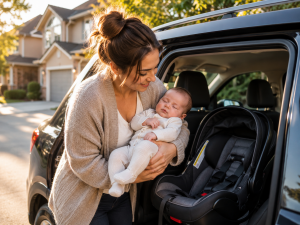
H2: Conditions That Change How Long Baby Can Sleep in Car Seat
Not every baby has the same needs. Some babies need extra care because of their age or health.
Newborns have weaker neck muscles than older infants. They may tire more quickly and have a harder time keeping their airway open. That is why many parents take more frequent breaks during the first few weeks.
Premature babies often need closer monitoring. Their doctor may recommend shorter travel times or special precautions depending on their medical history.
Low birth weight babies can also have different needs. Their smaller bodies may require extra attention during long rides, especially in the early months.
Some babies have heart, lung, or muscle conditions that affect breathing. In these cases, parents should always follow the advice of their pediatrician rather than relying on general travel guidelines.
Every family is different. If you ever feel unsure about your baby’s travel routine, asking your child’s doctor is always the safest choice. Personal medical advice is more valuable than any general recommendation found online.
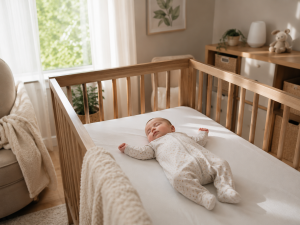
H2: FAQs for How Long Can Baby Sleep in Car Seat
H3: How long can baby sleep in car seat safely?
Most healthy babies should not stay in a car seat for more than 2 hours at a time. On long trips, stop often and move your baby to a flat, safe place when possible.
H3: Can a newborn sleep in a car seat for 3 hours?
A 3-hour stretch is not ideal for most newborns. Plan breaks every 2 hours, and ask your pediatrician if your baby was born early or has health concerns.
H3: Is it safe to let my baby finish a nap in a car seat?
No. Once you reach your destination, move your baby to a firm, flat sleep surface. Car seats are made for travel, not for routine naps at home.
H3: Why is the 2-hour rule important for babies?
The 2-hour guideline helps lower the risk of poor airway position and breathing problems. It also gives your baby time to stretch, feed, and rest flat.
H3: Does the 2-hour car seat rule apply to older babies?
Yes. Older babies can also benefit from regular breaks during long trips. The guideline helps improve comfort and supports safer travel for growing infants.

Shahin is the owner and creator of BabyCareAdvisor, a trusted resource for practical baby care and parenting guidance. He shares helpful, easy-to-understand information about baby products, car seats, strollers, breast pumps, baby safety, and everyday parenting. His goal is to help parents make informed decisions by providing clear, practical, and research-based advice.